Joel’s Story – From patient to fundraiser
At The Royal Orthopaedic Charity (ROC), we’re lucky to meet incredible people every day. People who inspire us with their strength, resilience, and determination to turn life’s challenges into something positive. Joel is one of those people.
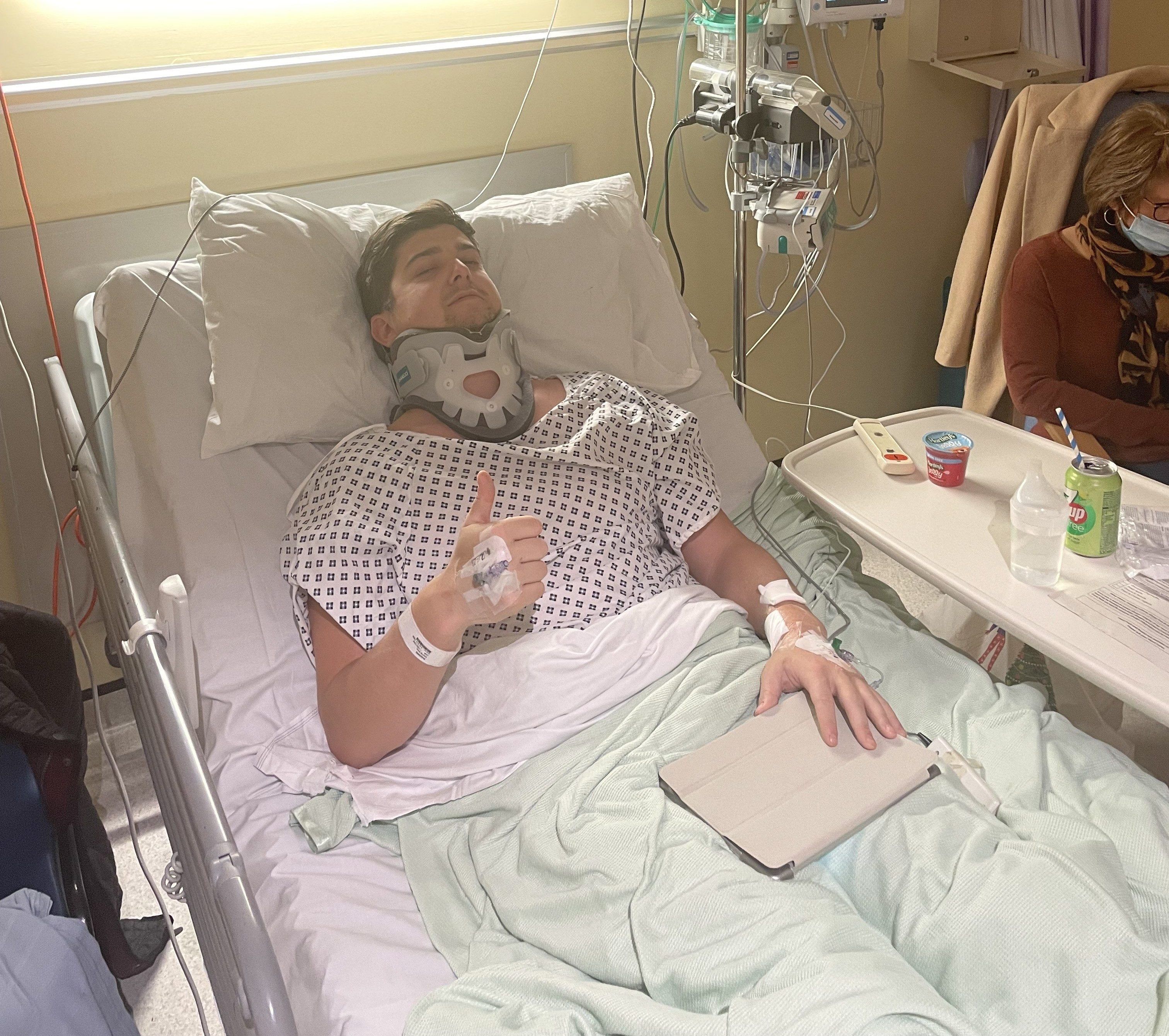
Joel’s journey began after suffering a serious neck injury while playing rugby. He was rushed to A&E in Doncaster, where scans revealed a fractured C2 vertebra in his neck, along with a fracture in his lower back.
For those unfamiliar, the C2 vertebra is one of the most vital bones in the neck. It supports the skull, allows the head to rotate, and protects the spinal cord. A fracture here is extremely serious and, without prompt, specialist treatment, can threaten both mobility and even survival.
As Joel underwent further tests, doctors discovered an underlying condition — Fibrous Dysplasia, a rare, benign bone disorder where abnormal fibrous tissue replaces healthy bone. If left untreated, it can weaken bones, cause deformities, increase fracture risk, and, in severe cases, affect nearby nerves.
Because of the complexity of his case, Joel was referred to The Royal Orthopaedic Hospital (ROH) in Birmingham, one of the UK’s specialist centres for bone, joint, and spinal care. The hospital isn’t just for Birmingham locals — it welcomes patients from all over the UK who need expert, specialist support. For Joel, this meant travelling more than 90 miles each way from Doncaster to Birmingham for consultations, scans, surgery, and follow-ups.
“When I was first told I would be moved from Doncaster Royal Infirmary to ROH Birmingham, I was a bit apprehensive. But after speaking with Mr. Hughes and the team, I quickly felt I was in a safe pair of hands.”
Under the expert care of Consultant Spinal Surgeon Mr. S. Hughes, Joel underwent complex spinal surgery to fuse his C1 to C3 vertebrae with metalwork, stabilising his neck and removing parts of the abnormal bone. The operation was a success, and after months of recovery, regular scans, and consultations, Joel’s fracture healed, and his Fibrous Dysplasia was under control.
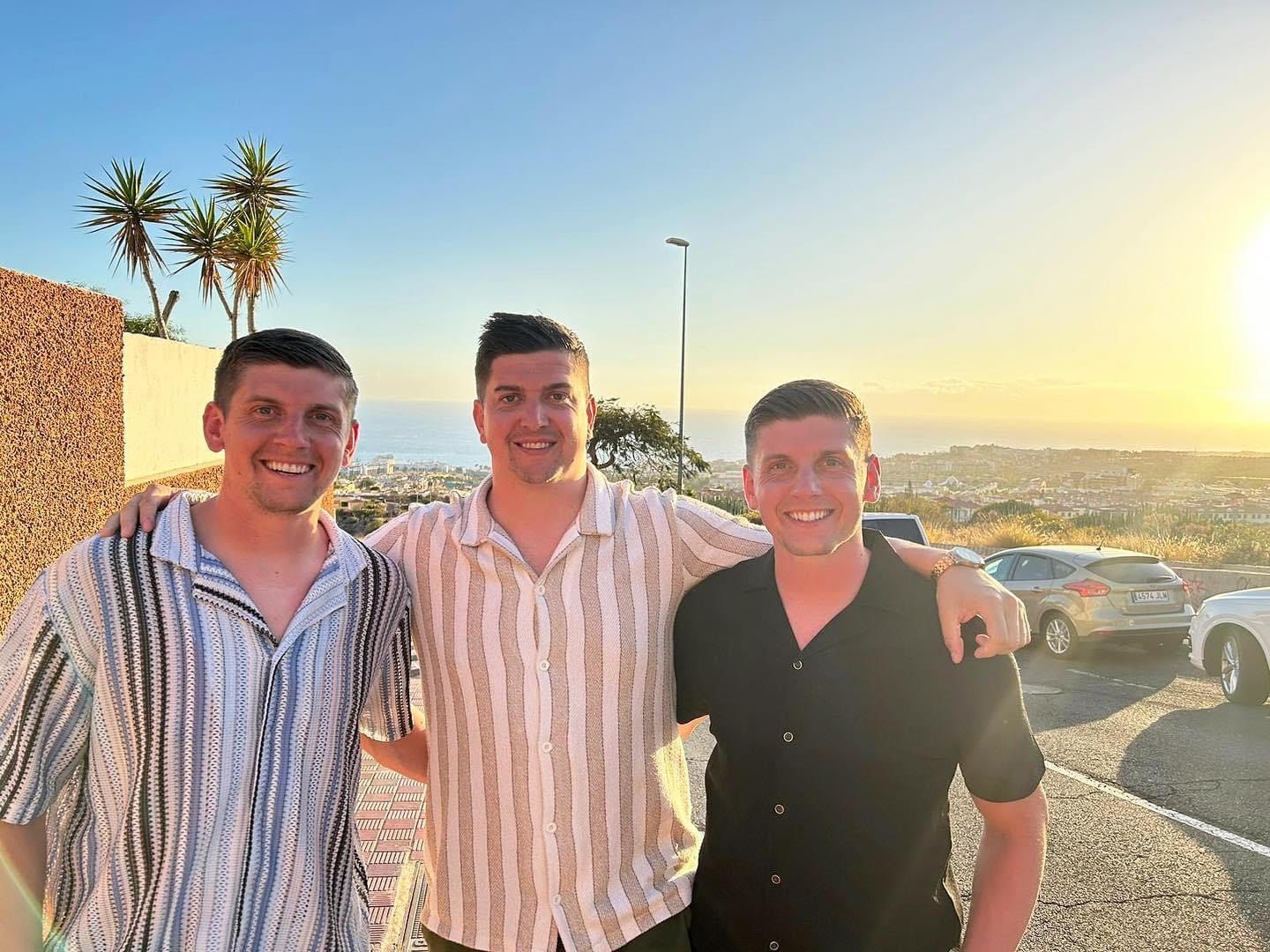
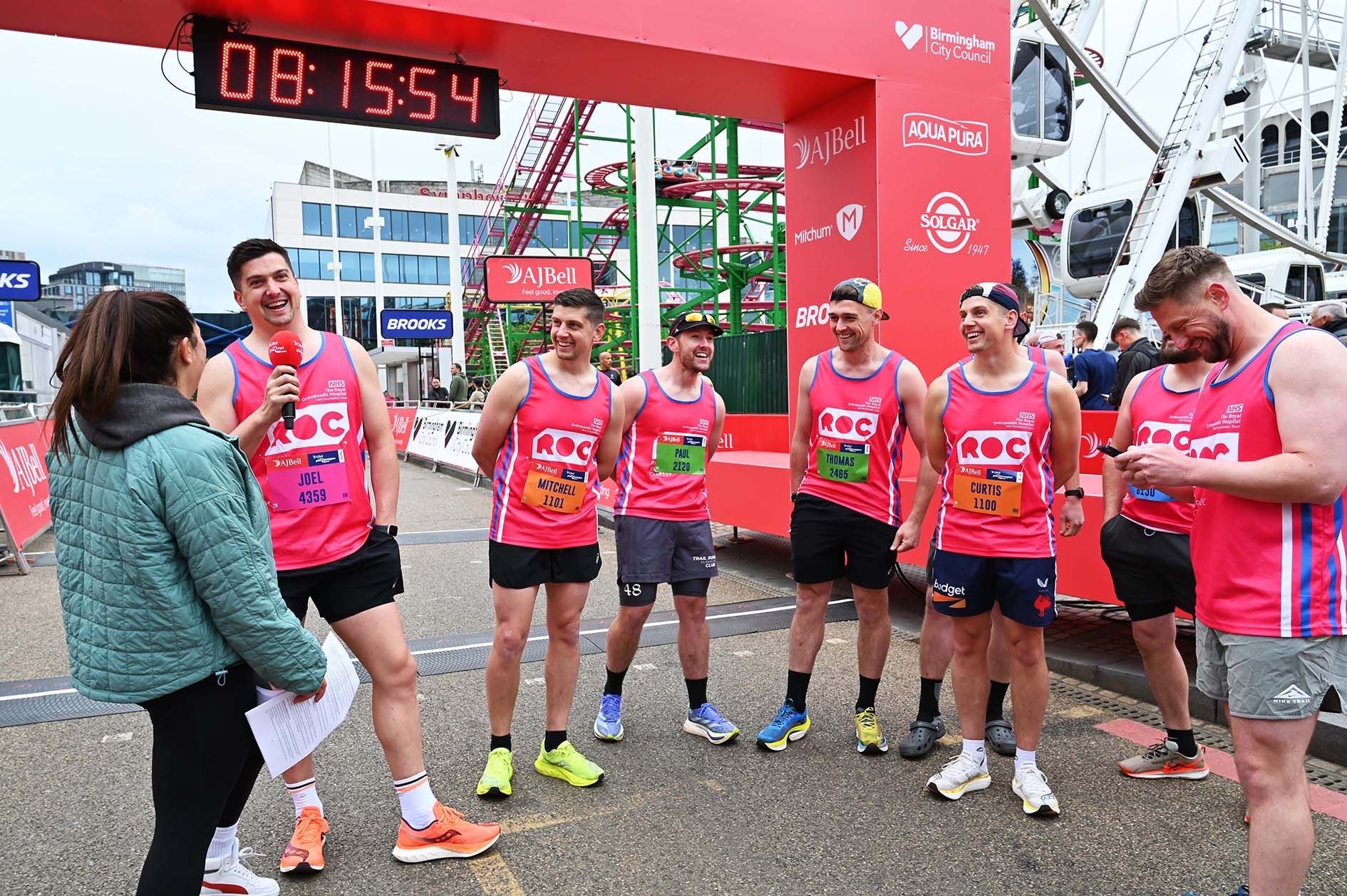
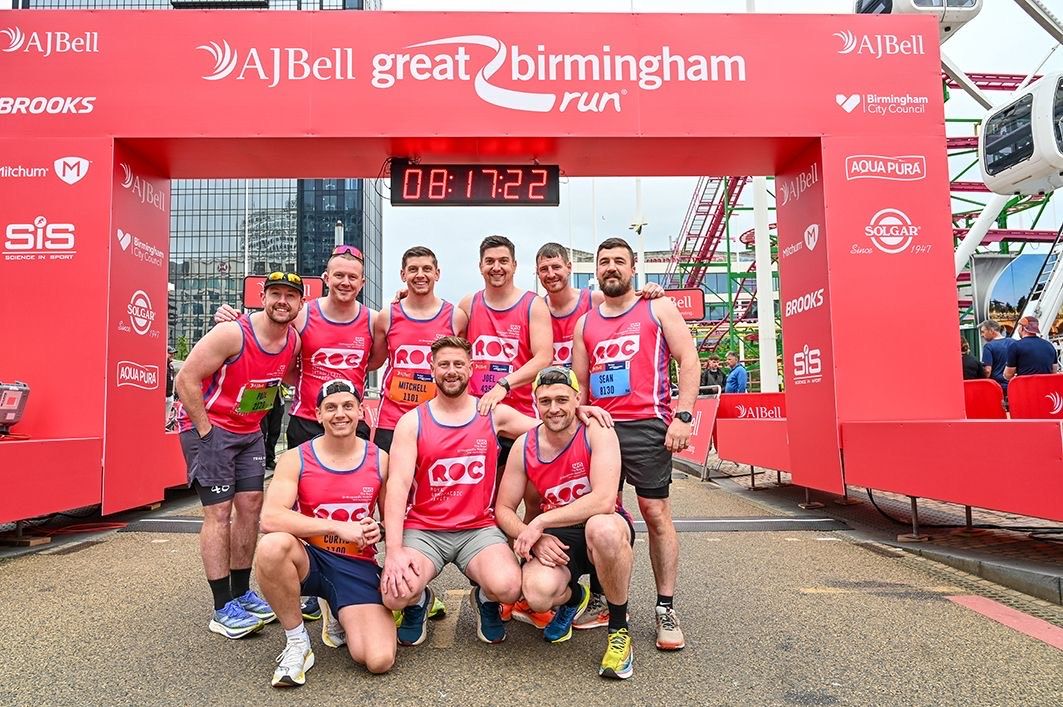
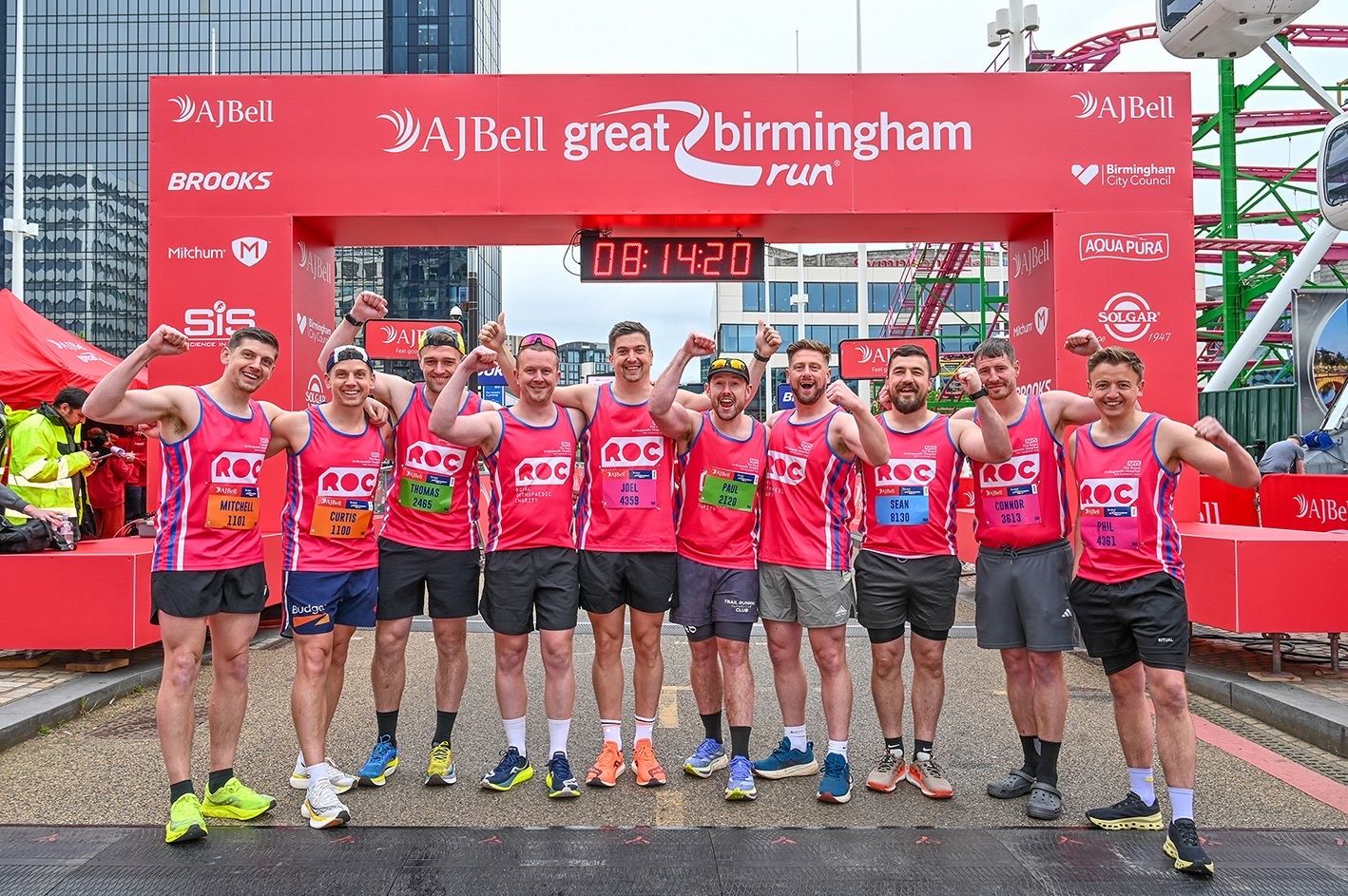
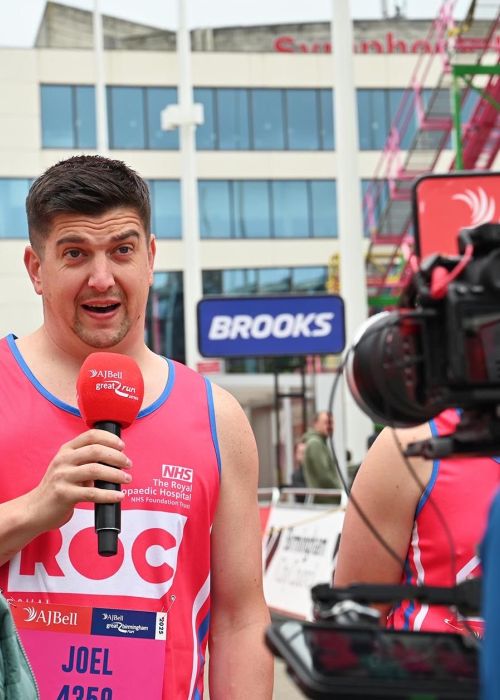
The charity team were equally proud to cheer Joel on, with a ROC spokesperson adding:
“It’s been a pleasure to support Joel through his fundraising journey. He’s been passionate every step of the way, and it shows through the amount he has raised. Thank you, Joel — these funds really will make a huge difference to patients at The Royal Orthopaedic Hospital Birmingham.”
A huge thank you also goes out to Joel’s brilliant team of friends and family who trained, fundraised, and crossed that finish line with him. Their kindness, effort, and generosity truly made a lasting difference.
Since sharing Joel’s story, he has since pledged to support ROC over 2025 yet again and we couldn’t feel more grateful.
Joel’s story is a powerful reminder that orthopaedic trauma, while life-changing, can also be a starting point — a beginning of hope and community. Whether you are facing your own orthopaedic challenges, supporting a loved one, or wanting to help transform the lives of patients through fundraising or volunteering, ROC will be here to help.
If Joel’s story has inspired you, why not get involved? Whether it’s a sponsored run, bake sale, skydive, or simply cheering others on, every act of kindness makes an impact.
ROC | Royal Orthopaedic Charity
Bristol Road South
Northfield
Birmingham
B31 2AP
Registered Charity Number: 1078046
Call: 0121 6854379
Email: roc@nhs.net