Date: 24th May 2025
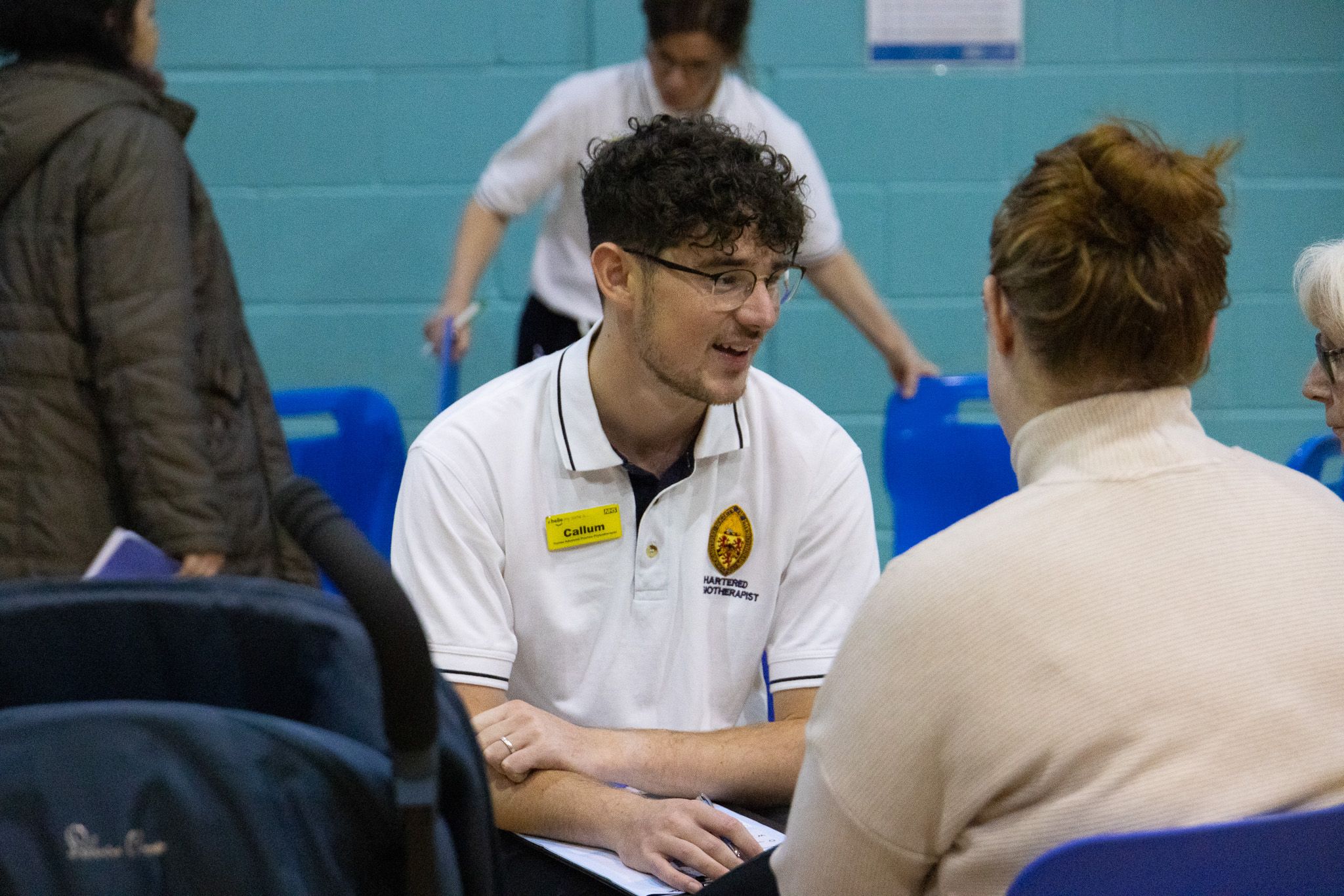
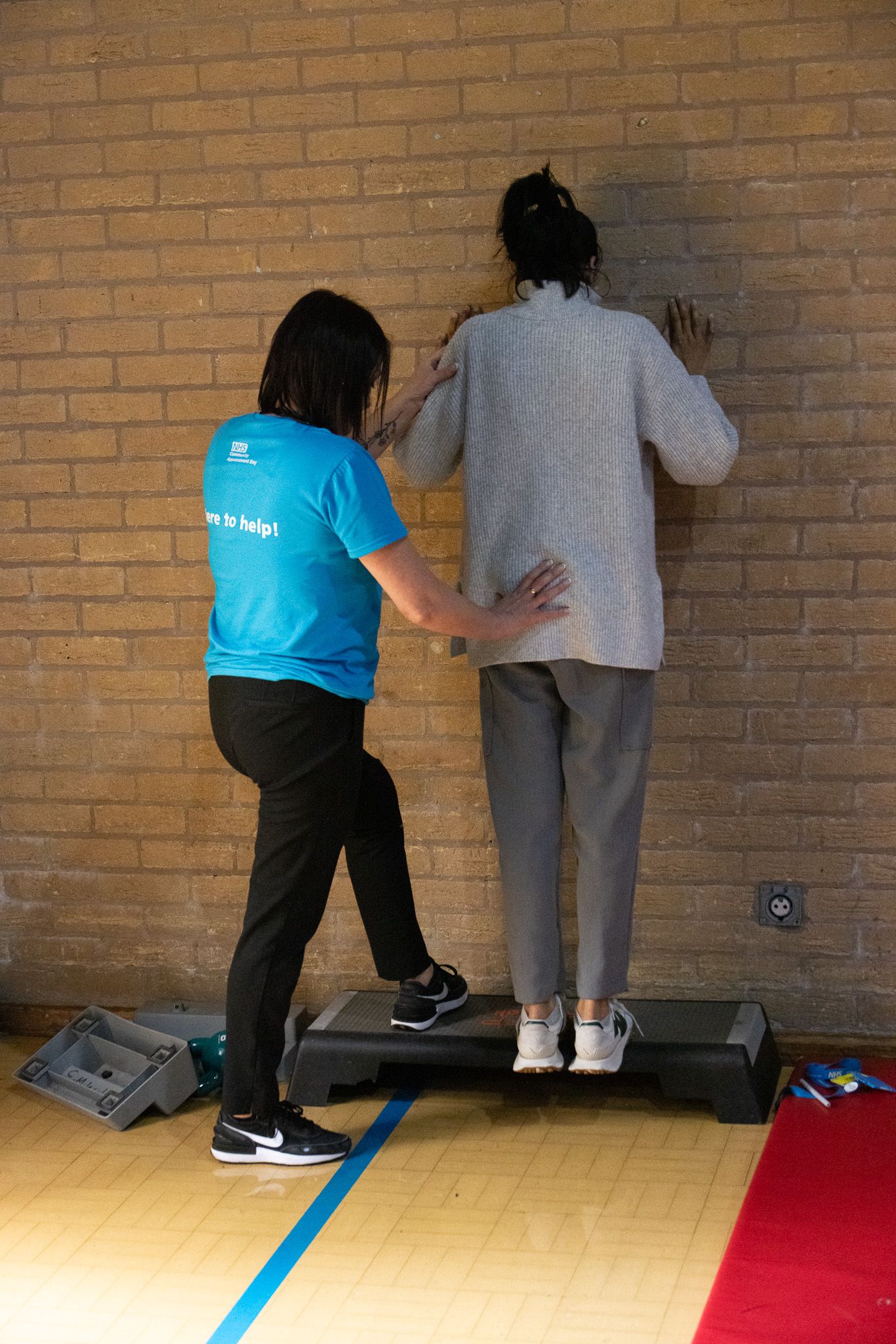
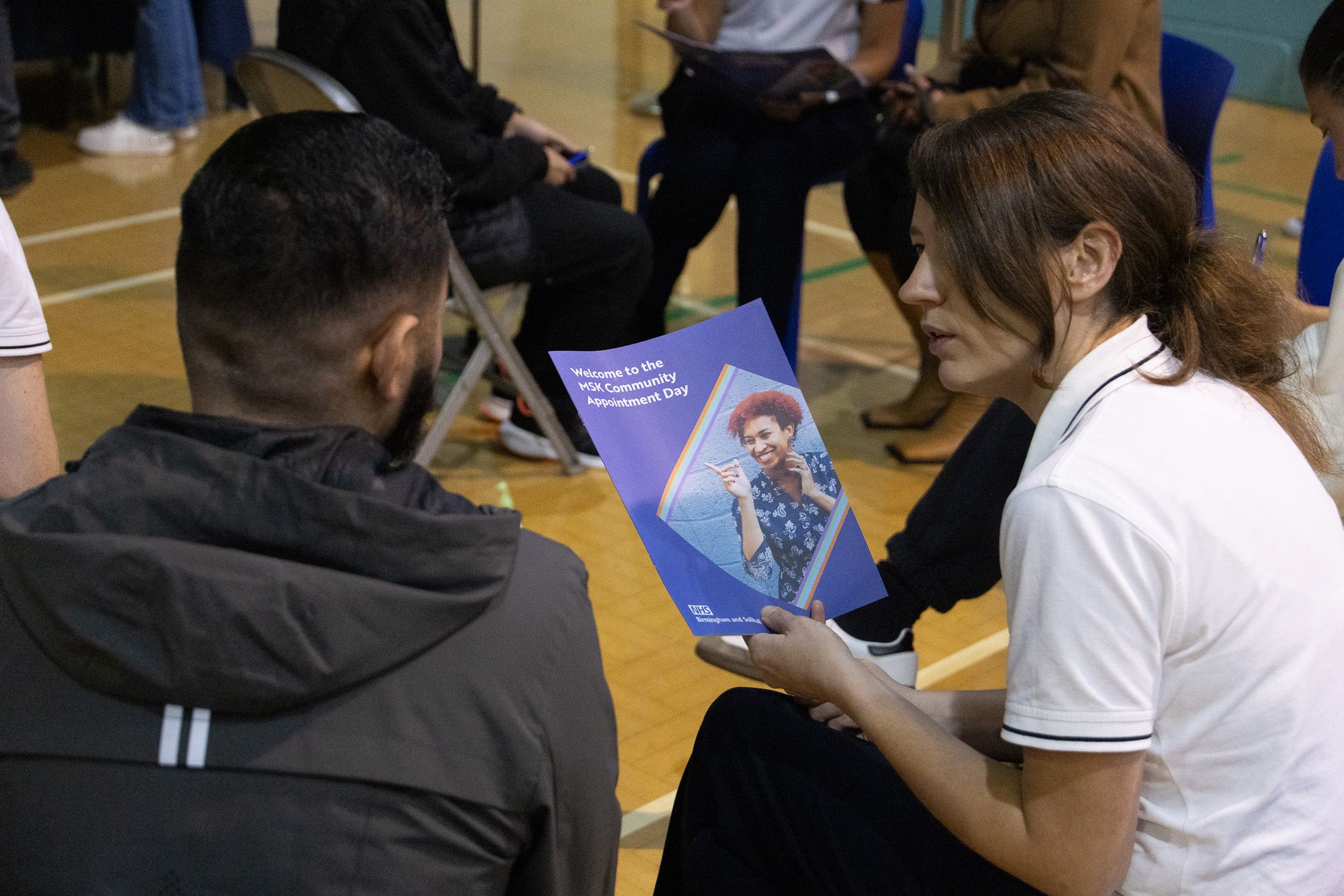
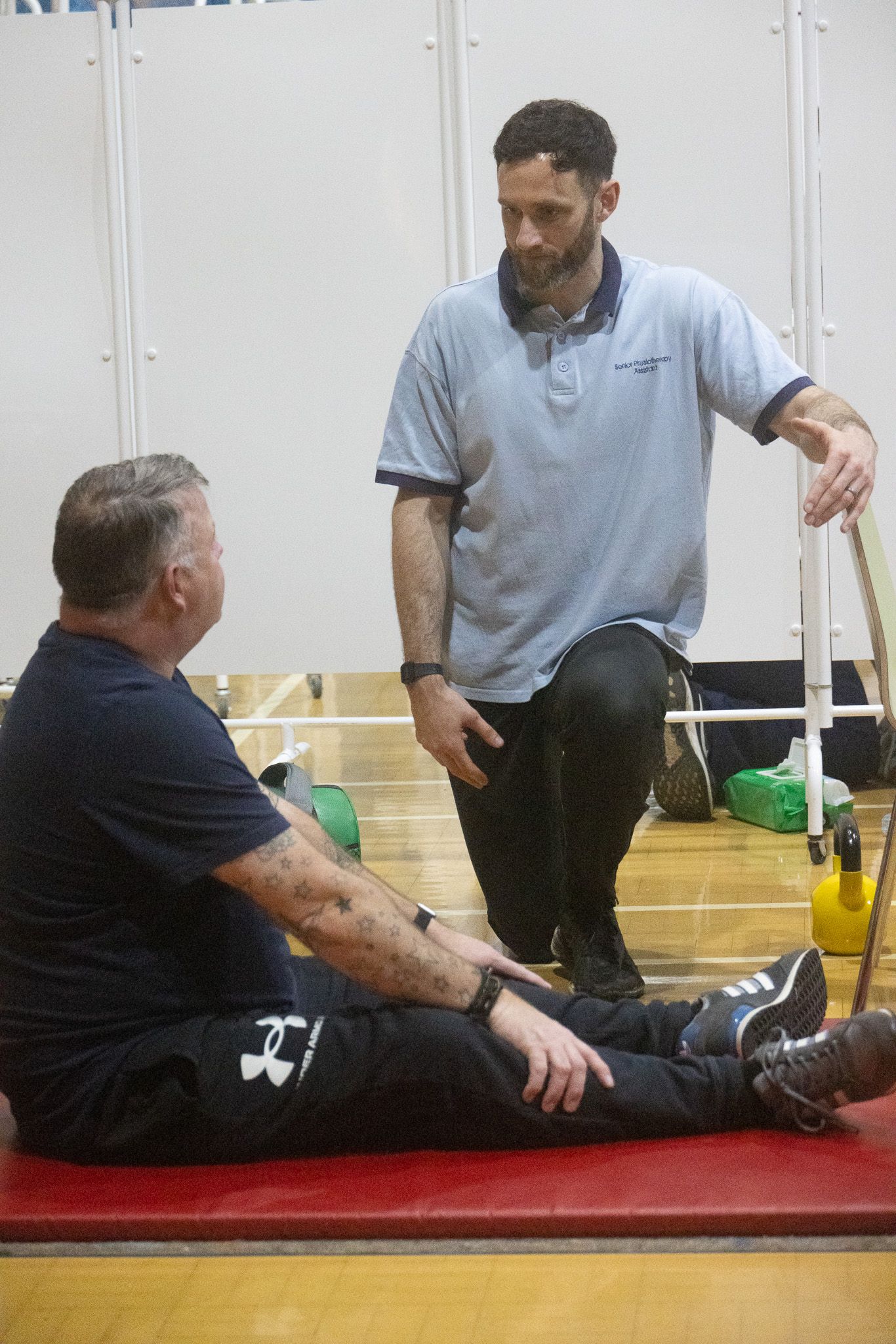
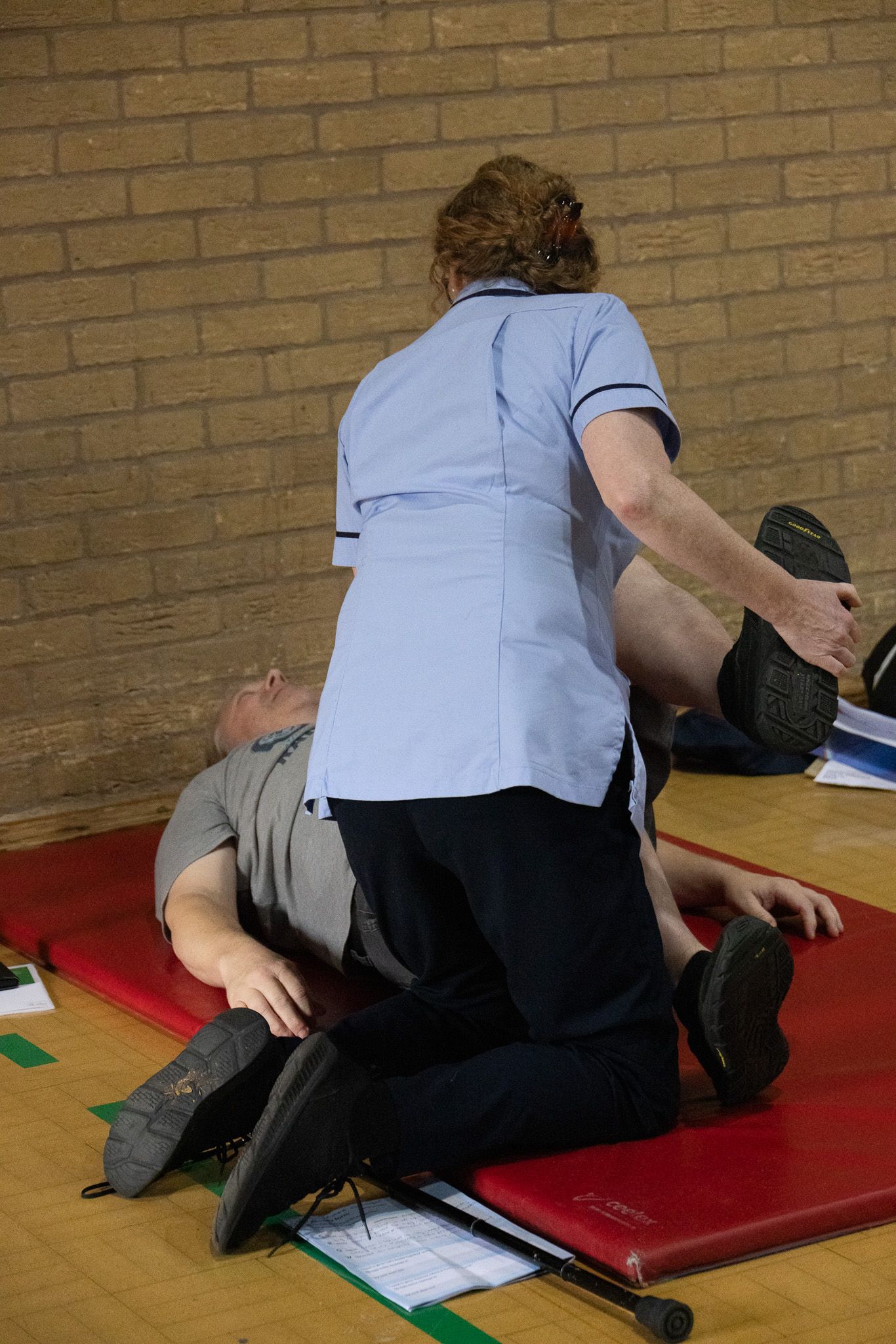
Musculoskeletal (MSK) disorders affect over 10 million people in the UK, making up 20% of primary care consultations and more than a quarter of NHS surgeries. With an aging population, this is expected to rise over the next decade. In response, the Royal Orthopaedic Hospital, Queen Elizabeth Hospital, and College Green Medical Practice launched the MSK Community Appointment Day (CAD), offering same-day MSK services including assessments, advice, rehabilitation, and community support.
Royal Orthopaedic Charity (ROC) supported the event by providing essential resources, including venue hire, catering, staff T-shirts, marketing materials, and on-the-day support.
CADs are designed to promote personalised care, address lifestyle factors that impact on MSK conditions and help reduce wait times for routine physiotherapy.
The event engaged 259 patients and 48 staff, supported by 25 representatives from 12 community organisations.
Of the 259 patients who attended, the breakdown of outcomes is as follows:
- 9% (132 patients) remained on the waiting list
- 1% (65 patients) were placed on a patient initiated follow up (PIFU)
- 9% (36 patients) were discharged
- 1% (8 patients) required a referral to other services
- 3% (6 patients) needed urgent follow up
The event demonstrated the potential of community-based, personalised care to empower patients and has the potential to reduce wait times for routine NHS physiotherapy.
“It was brilliant to be part of such a team effort where everyone came together to support our patients under one roof. We had time to really listen to patients and understand what mattered to them. The event highlighted the power of personalised care and what can be achieved when staff, partner organisations, and community partners work together. It wouldn’t have been possible without the support from ROC.”
“It was inspiring to see firsthand how a fresh approach to MSK support can truly make a difference. At ROC, we’re deeply committed to supporting patients across Birmingham, particularly those who may need care from ROH in the future. This event clearly demonstrated the power of collaborative, community-based healthcare, and it was an easy decision to fund an initiative so closely aligned with our charity strategy. We look forward to supporting more events like this in the future.”
ROC are proud to have played a part in this innovative event and are excited to be supporting a follow-up session this June for ROH patients who’ve been referred in the last few months.

ROC | Royal Orthopaedic Charity
Bristol Road South
Northfield
Birmingham
B31 2AP
Registered Charity Number: 1078046
Call: 0121 6854379
Email: roc@nhs.net